January 28, 2026
 8 min
8 min  837 Views
Finance ERP Systems: How Enterprise Software Transforms Finance Automation


Finance departments are juggling a lot these days: staying compliant with regulations, producing spot-on financial reports, keeping an eye on things in real-time, and making quick calls. The old-school accounting software just can’t keep up with the sheer number of transactions, the spread-out teams, and the intricate workflows that come with it. That’s why so many companies are turning to finance ERP systems and sophisticated enterprise finance software. They’re looking to streamline operations and automate the stuff that really matters.
A modern ERP finance system brings together accounting, procurement, inventory management, customer relationship management, and banking into one place. This unified setup cuts down on manual work, gets rid of those data transfer errors, and makes everything more transparent for the whole company.
What Is a Finance ERP System and How It Works
A finance ERP system is enterprise software designed to manage end-to-end financial operations within an integrated platform. Unlike standalone accounting software, ERP technology supports enterprise resource planning by connecting financials with operational and transactional data.
Core finance functions typically include general ledger, accounts payable and receivable, budgeting, compliance management, financial reporting, and analytics. These modules operate on shared real-time data, allowing organizations to maintain consistent financial records across departments and subsidiaries.
Modern cloud-based ERP software also supports scalability, customization, and SaaS deployment models. Companies can implement core modules first and expand functionality as business needs evolve — supporting midsize organizations as well as large enterprises.
Why Enterprise Software for Finance Is Replacing Traditional Accounting Tools
Standalone accounting systems often create data silos and require manual reconciliation between systems. In contrast, enterprise software for finance centralizes data across supply chain and functional platforms.
This shift enables:
- Real-time visibility into cash flow, payables, receivables, and financial performance.
- Automation in finance and accounting, reducing manual workflows and error-prone reconciliation.
- Improved compliance through standardized reporting and audit-ready processes.
- Better analytics and dashboards for informed decision-making.
As organizations scale, ERP software becomes essential for maintaining control, accuracy, and operative efficiency.
Finance and Accounting Automation: Where ERP Delivers the Biggest Impact
Finance and accounting digitization transforms how finance teams operate daily. Automated workflows handle invoice processing, approvals, payment reconciliation, and reporting without manual intervention. This reduces processing time, improves accuracy, and frees teams to focus on analysis instead of transactional work.
Modern ERP systems also support:
- Automated journal posting and financial consolidation.
- Real-time financial reporting and dashboard visibility.
- Integrated compliance controls and audit trails.
- Predictive analytics and forecasting insights.
For organizations implementing an ERP system, automation directly improves productivity and reduces operational risk.
Top Finance ERP Software Platforms in 2025
Several platforms dominate the market for best finance ERP software and enterprise resource planning:
- Oracle NetSuite ERP delivers cloud ERP scalability, multi-entity accounting, and advanced financial reporting for fast-growing companies.
- SAP S/4HANA supports complex enterprise environments with deep customization, global compliance, and advanced analytics.
- Microsoft Dynamics 365 Finance integrates seamlessly with Microsoft tools and delivers strong automation and reporting capabilities.
- Workday Financial Management focuses on real-time reporting and service-based enterprise financials.
- QuickBooks Enterprise supports smaller organizations transitioning toward ERP functionality.
Each system differs in deployment model, customization depth, scalability, and integration maturity.
Integrating ERP, CRM, and Banking Systems for End-to-End Automation
One of the most valuable use cases for finance ERP systems is system integration across ERP, CRM, and payment platforms.
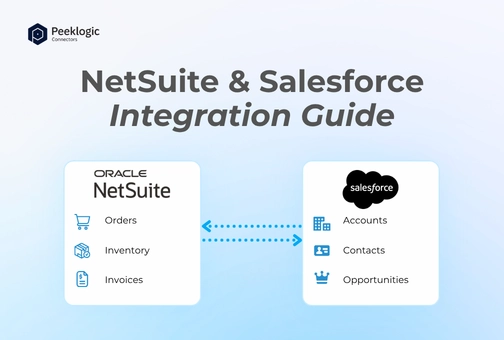
When ERP integrates with customer relationship management systems such as Salesforce, customer data, invoices, and payments stay synchronized. Sales teams see real-time payment status, while finance teams avoid duplicate entry and reconciliation delays. Integrating banking platforms enables automated transaction matching, payment processing, and financial reconciliation.
For example, integrating NetSuite ERP with Salesforce aligns customer records, billing data, and revenue reporting. Connecting payment gateways automates collections and improves cash flow visibility. This end-to-end automation significantly reduces operative friction and improves financial accuracy.
Cloud ERP vs On-Premises ERP for Finance Teams
Cloud ERP platforms offer faster deployment, automatic updates, lower infrastructure overhead, and improved accessibility. SaaS ERP models simplify adoption and scalability while maintaining enterprise security standards.
On-premises ERP systems offer greater control over infrastructure but require higher upfront investment and ongoing maintenance. For most organizations today, cloud ERP provides better flexibility, faster innovation, and easier integration with modern platforms.
How to Choose the Right ERP System for Finance
Selecting the right ERP software for finance requires evaluating business processes, scalability needs, integration requirements, and long-term growth strategy. Organizations should assess:
- Financial workflows and reporting complexity.
- Integration with CRM, inventory, and banking platforms.
- Regulatory and compliance requirements.
- Customization flexibility and user experience.
- Implementation timeline and adoption readiness.
Implementing an ERP system is a strategic investment that should align with operative maturity and future expansion plans.
Best Practices for Getting New ERP in Finance
Finance ERP projects deliver the strongest ROI when integration strategy and automation maturity are defined from the start. Did you know that companies automating core finance workflows reduce manual processing costs by 30–45%? Integration-driven ERP programs also improve data accuracy, which directly impacts regulatory reporting and executive decision quality.
A strong implementation starts with high-impact automation scenarios. Finance teams see the fastest returns when they automate repetitive, high-volume workflows such as:
- Invoice processing and approvals
- Payment reconciliation and bank matching
- Customer billing synchronization between ERP and CRM
- Automated posting of transactions
When ERP integrates directly with CRM platforms like Salesforce and banking APIs, duplicate data entry disappears and reconciliation cycles shrink from days to minutes. This improves cash flow visibility, strengthens revenue control, and accelerates financial closing without adding operational overhead.
Enterprise ERP Software For Financial Insight
Modern finance ERP systems and enterprise finance software go far beyond basic accounting. They centralize financial operations, automate workflows, improve adherence, and deliver real-time insight across the enterprise.
By integrating ERP with customer relationship management and banking platforms, organizations unlock true end-to-end automation in finance and accounting. For CFOs and financial leaders, ERP systems provide the foundation for scalable growth, operational efficiency, and data-driven decision-making.
Key takeaways
Finance ERP systems help businesses manage accounting, budgeting, reporting, payments and financial planning in one structured platform. The right ERP solution can reduce manual work, improve data accuracy and give teams clearer visibility into cash flow, expenses and revenue. With proper implementation, finance teams can make faster decisions, keep records more reliable and support smoother business operations.
Frequently Asked Questions
ERP software integrates finance with supply chain, CRM, and operations, while accounting software focuses only on bookkeeping.
Most modern ERP platforms offer cloud-based deployment for scalability and faster innovation.
Small deployments may take a few months, while enterprise rollouts may take up to a year.
Yes. ERP systems support API integration with customer relationship management systems and payment gateways.
Yes. Cloud ERP platforms scale well for midsize organizations and growing enterprises.


Accomplished Salesforce professional with a decade of experience in designing, developing, and managing robust integrations between Salesforce and enterprise systems, ensuring seamless data flow, operational efficiency, and enhanced business capabilities. Skilled in bridging complex technical requirements with practical business solutions to deliver secure, scalable, and high-performing integration architectures.
Contact us today!